About
Stakeholders underscored their resolve to put water considerations at the heart of the climate agenda and accelerate the Dialogue’s COP-to-COP momentum.
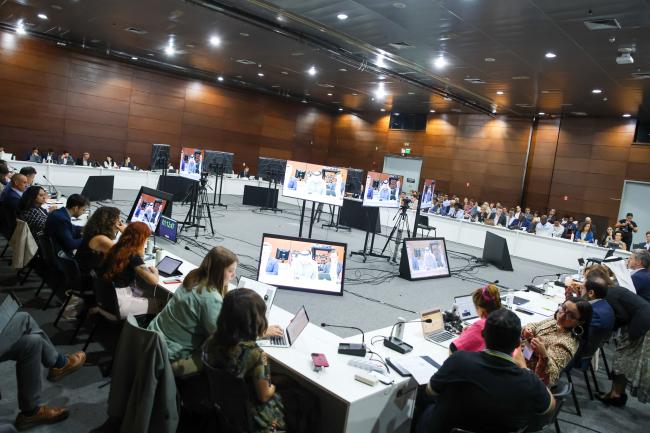
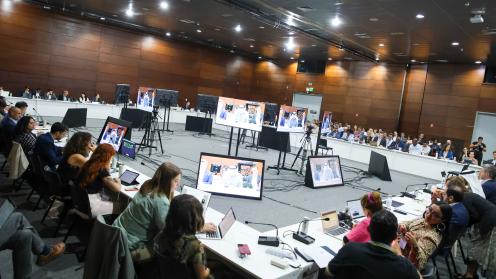
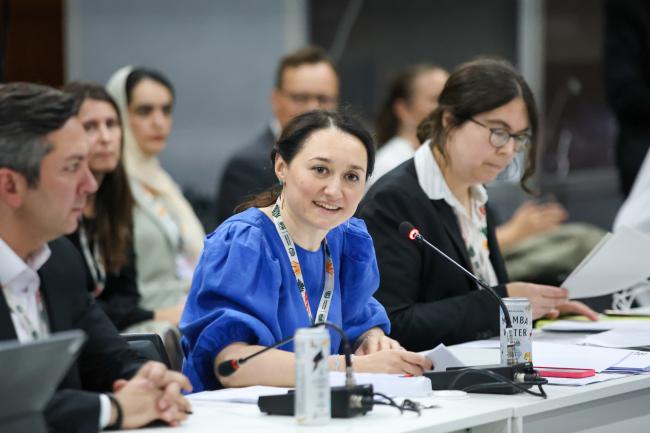
The Baku Dialogue on Water for Climate Action platform, launched at COP 29 in Baku as part of the COP 29 Declaration on Water for Climate Action, creates a COP-to-COP collaboration space aimed at fostering continuity and building a consistent, focused approach to integrating water considerations across the climate agenda. To date, the Declaration has brought together nearly 100 endorsers, including 73 countries who committed to transformative action at the water-climate nexus. At this first high-level meeting of the Baku Dialogue, moderated by Kamala Huseynli-Abishova, Water for Climate Action focal point, COP 29 presidency, Member States and stakeholders showcased progress achieved since COP 29, and discussed a long-term vision for transforming the Baku Dialogue into a sustained Water for Climate Action platform through 2030.
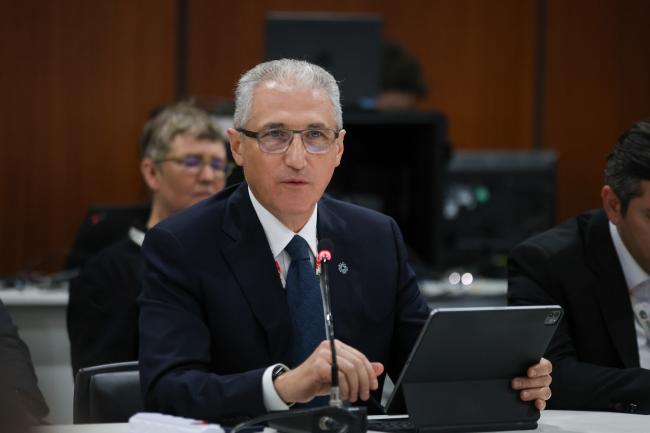
Opening remarks were delivered by representatives from COP 28, COP 29, and COP 30 Presidencies, who emphasized the need to scale up cooperative approaches to strengthen water resilience and adaptation. Mukhtar Babayev, President of COP 29, underlined that climate-driven disruptions to hydrological cycles are putting increasing pressure on people, crops, economies, and biodiversity. He described the Baku Dialogue as essential for turning the ambitions of the COP 29 Declaration into action and for bringing water more firmly into the global climate agenda.
Nicola Speranza, Chief of Staff to the COP 30 President, called for renewed multilateralism and for connecting water issues to people’s daily lives, identifying finance and capacity building as “the key to success.” Abdulla Ahmed Balalaa, Assistant Minister of Foreign Affairs for Energy and Sustainability and representative of the COP 28 UAE Presidency, highlighted that the 2026 Water Conference, to be hosted by the United Arab Emirates (UAE), “can serve as proof that the world can unite around shared goals,” reinforcing the drive for coordinated water solutions.
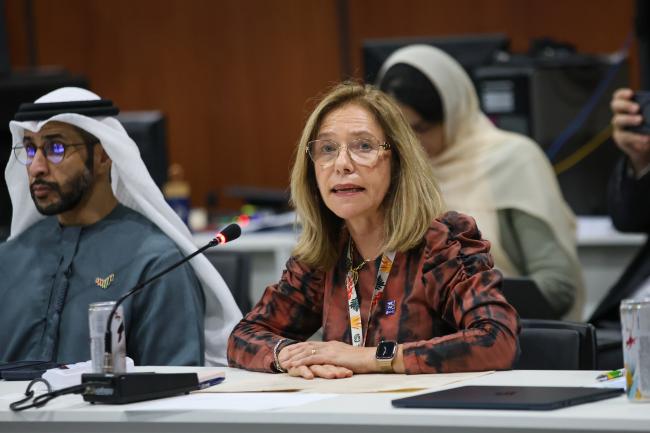
Highlighting the need for better data, Celeste Saulo, Secretary-General, World Meteorological Organization (WMO), said “we cannot manage what we cannot measure.” She urged integrated climate and water approaches, and pointed to WMO efforts to improve data collection and sharing as essential for evidence-based policymaking.
Sonja Köppel, Secretary of the Convention on the Protection and Use of Transboundary Watercourses and International Lakes (Water Convention) speaking on behalf of the Executive Secretary of UNECE, Ms. Tatiana Molcean, pointed to water-based linkages across the climate agenda. She urged governments and stakeholders in the Baku Dialogue to “ensure water becomes a pathway for building climate resilience and action on the ground.” Köppel then highlighted the UNECE’s work on advocating for further considering water and enhancing cooperation, providing science-based support for policymaking, and support for integrating water and transboundary cooperation considerations in climate policymaking, including in Nationally Determined Contributions (NDCs) and National Adaptation Plans (NAPs).
Stefan Uhlenbrook, Director, Hydrology, Water and Cryoshpere, WMO, emphasized the WMO’s science-based support to help countries understand the status and outlook of their water resources, and improve preparedness, resilience, and recovery in response to water-related hazards.
In a video message, Retno Marsudi, UN Special Envoy on Water, called for: operationalizing the Dialogue to generate action by focusing finance and investment; maintaining momentum for action at the water-climate nexus; and taking a “future-oriented approach,” emphasizing that the “future of water will define the future of our climate.”
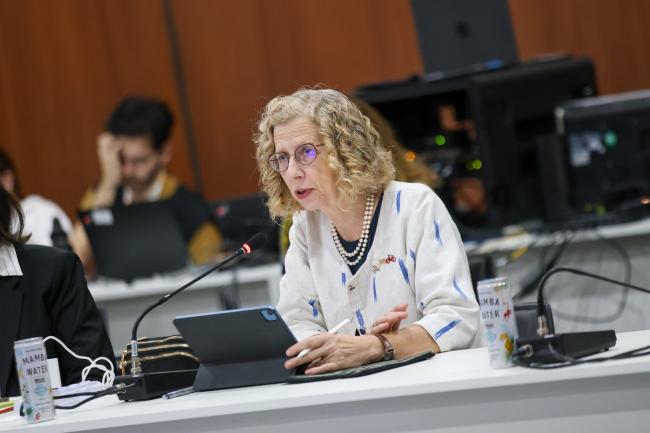
Inger Andersen, Executive Director, UN Environmental Programme (UNEP), encouraged more countries to join the Declaration and the Baku Dialogue, noting that water plays a part in the triple crisis of biodiversity, climate, and pollution. She pointed to water access issues in Belém due to pollution and falling water levels in the Caspian Sea. She stressed the need to tackle water not from an ecosystem point of view but in terms of the entire hydrological cycle. She mentioned essential tools for achieving water solutions that range from monitoring and knowledge sharing to regulation and tariffs, but underscored that funding is essential.
Leading off statements by countries, Arlette Soudan-Nonault, Minister of the Environment, Sustainable Development and the Congo Basin, Republic of the Congo, underscored how the Congo River continues to be a pillar of the country’s social and economic activity, even as climate change fuels water scarcity. She highlighted the country’s development of integrated planning and development initiatives. She stressed that the “challenges and needs are known and the tools and solutions are available. We must act now.”
The European Commission highlighted the EU’s support to countries in advancing concrete actions on water and climate, ensuring that water considerations are integrated into NDCs, NAPs, and the Global Goal on Adaptation (GGA).
Slovenia pledged support for strengthening transboundary water cooperation and translating shared commitments into concrete implementation projects that enhance regional resilience and trust.
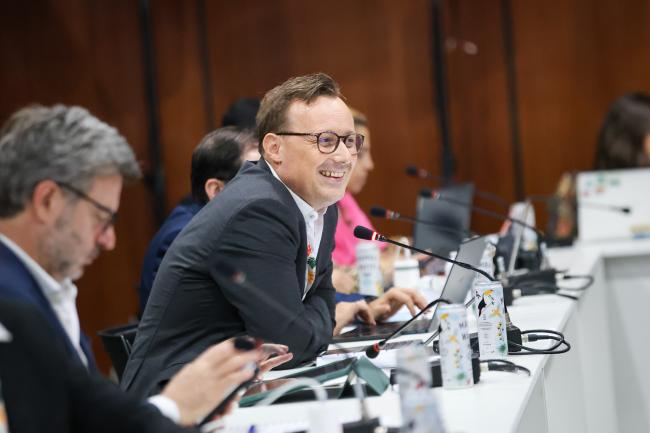
The Netherlands stressed the importance of mainstreaming water in all climate policymaking, noting that water plays a role in both mitigation and adaptation.
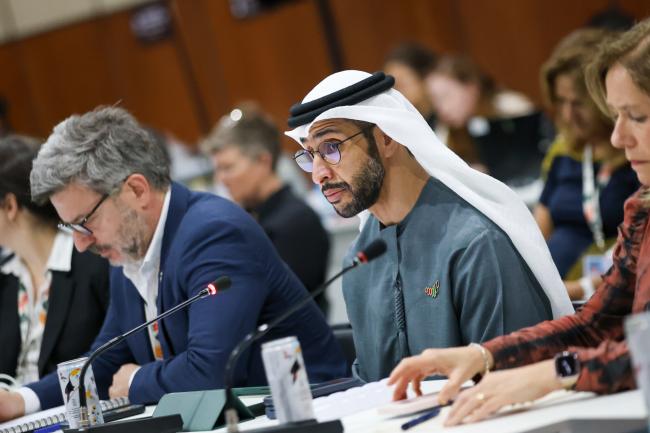
Uganda pointed to the country’s integration of water into NDCs and NAPs and its work to advance nature-based solutions (NbS) and ecosystem restoration.
France welcomed the discussion of water indicators in the GGA, and noted that the 2026 UN Water Conference is key for scaling up and funding water solutions.
Cyprus highlighted the country’s status as a climate hot spot, where rising temperatures stress water availability. He supported the Baku Dialogue, and said water scarcity and resilience will be a central priority of Cyprus’ presidency of the Council of the EU in 2026.
Japan noted that technologies that enhance power generation and control flooding also contribute to climate mitigation and adaptation, highlighting that Japan’s experiences with such technologies will be shared as part of the Baku Dialogue’s cooperative efforts.
Hungary underscored its focus on renewing NAP, advancing nature-based and green solutions, and positioning water resilience as a central priority in its international engagement, such as the Protocol on Water and Health.
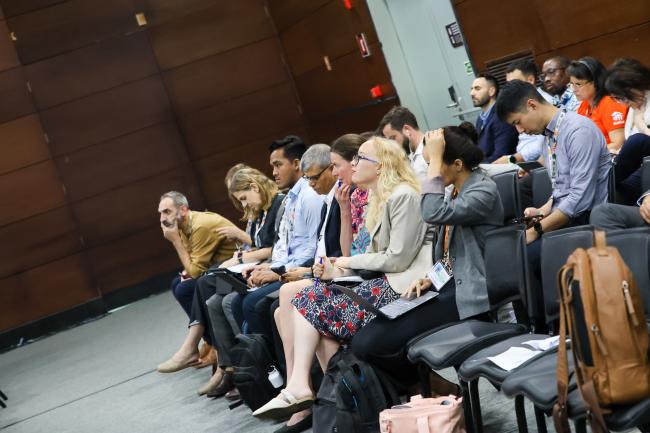
Turkey emphasized that water scarcity is a growing problem. She stressed the need to strengthen synergies to protect water.
The United Kingdom urged regulatory reform, integration of water in NDCs and NAPs, promotion of corporate stewardship, and mobilizing accessible finance for NbS.
The Dominican Republic noted the country’s work to implement a national water strategy and develop a national climate finance strategy as a roadmap to channel investments. She emphasized that reliable data is necessary for saving lives and reducing economic losses from water-related hazards.
Moldova said that, as the disruption of hydrological cycles increases pressure on ecosystems and agriculture, the country is including water management in its NAPs and NDCs.

Chile called for a just water transition that links social equity with environmental sustainability, ensuring water security and climate resilience for vulnerable communities.
The Gambia underscored that water can be “a foundation for peace” and that the country is making progress on water management in a transboundary context, including under the Water Convention.
Tanzania described water as “the messenger of climate change,” and also one of the most powerful solutions for mitigation, adaptation, and sustainable development.
Israel highlighted adaptation as an urgent priority as climate change intensifies and said the country is working to restore water flows.
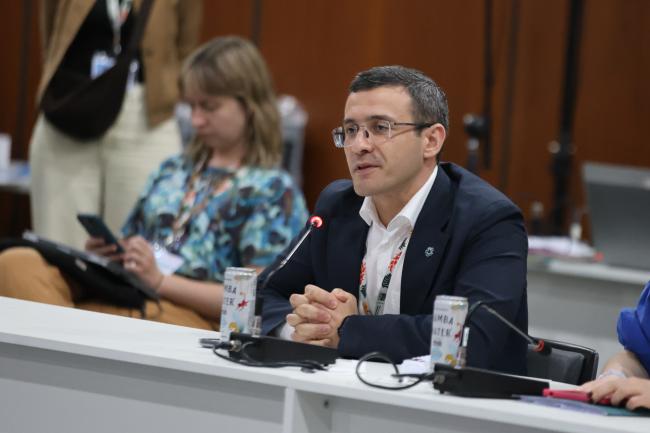
Two basin organizations shared their work on the ground. A representative of the Amazon Cooperation Treaty Organization (ACTO) highlighted ACTO’s work to turn regional cooperation into a “platform for action” that ensures “the voice of the Amazon is heard” on water and climate issues. A representative from the Senegal River Basin Development Authority highlighted the organization’s transboundary cooperative efforts, underscoring that action on water can be a “catalyst for regional stability, clean energy and development.”
In closing remarks, Elchin Allahverdiyev, Director of the Climate Diplomacy Department, Ministry of Foreign Affairs, Azerbaijan, thanked everyone for sharing their experiences, and urged keeping water on the climate agenda by focusing on the “three Cs,” namely cooperation, continuity from COP to COP, and concrete action.
To receive free coverage of global environmental events delivered to your inbox, subscribe to the ENB Update newsletter.
All ENB photos are free to use with attribution. For 2025 UN Climate Change Conference, Belém - Side Events, please use: Photo by IISD/ENB | Anastasia Rodopoulou
Selected Images
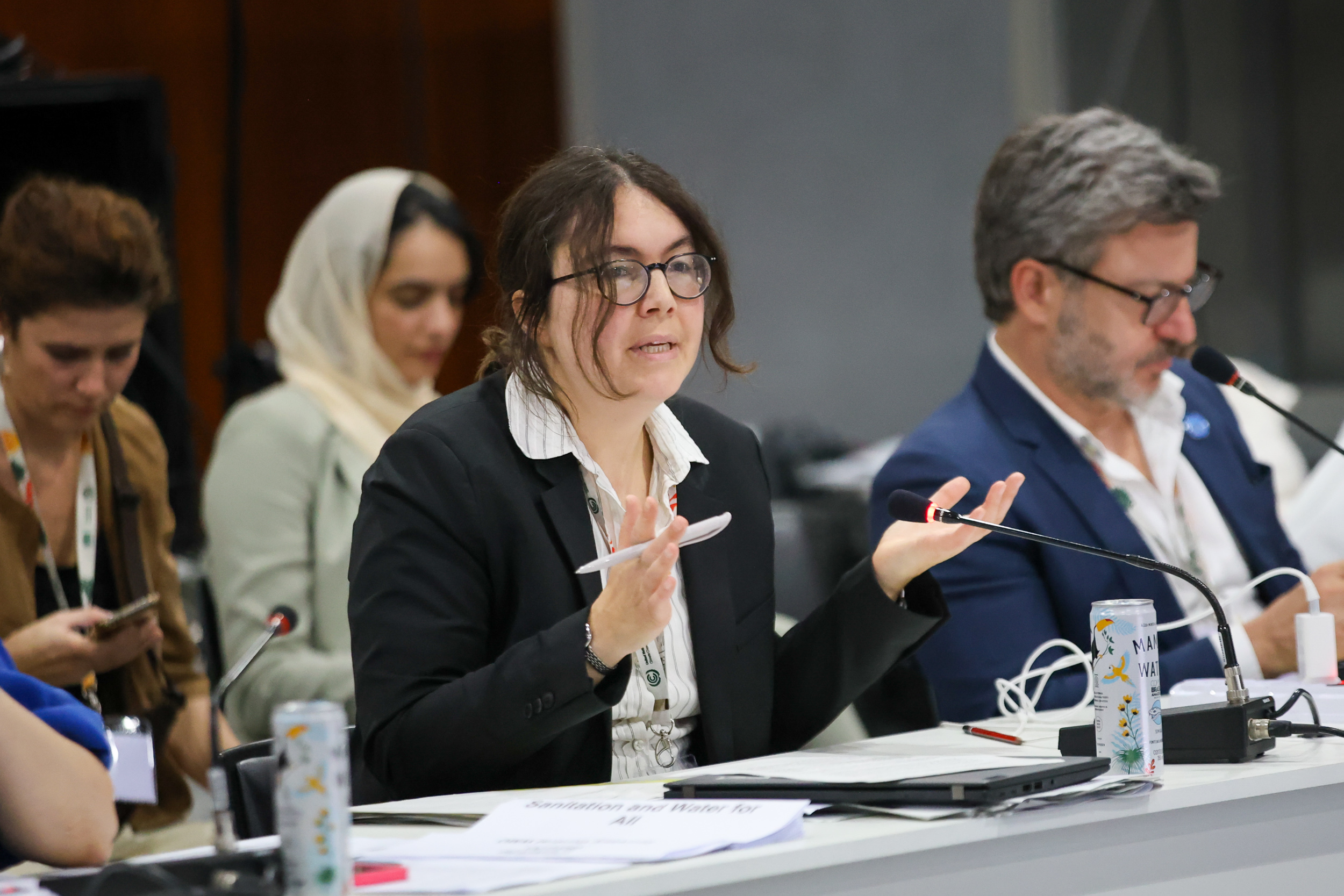
Sonja Köppel, Secretary, Water Convention
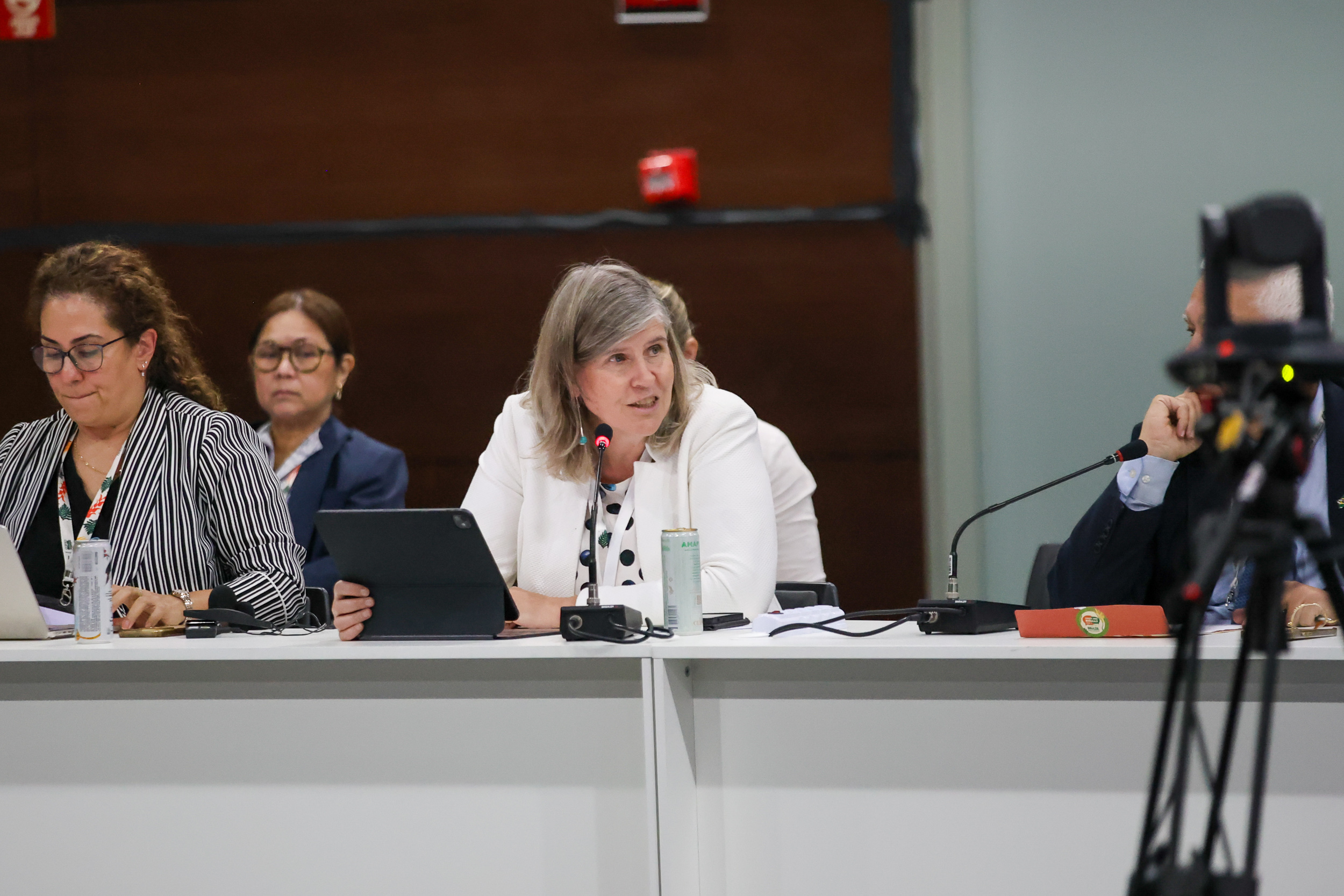
Meike van Ginneken, Water Envoy, the Netherlands
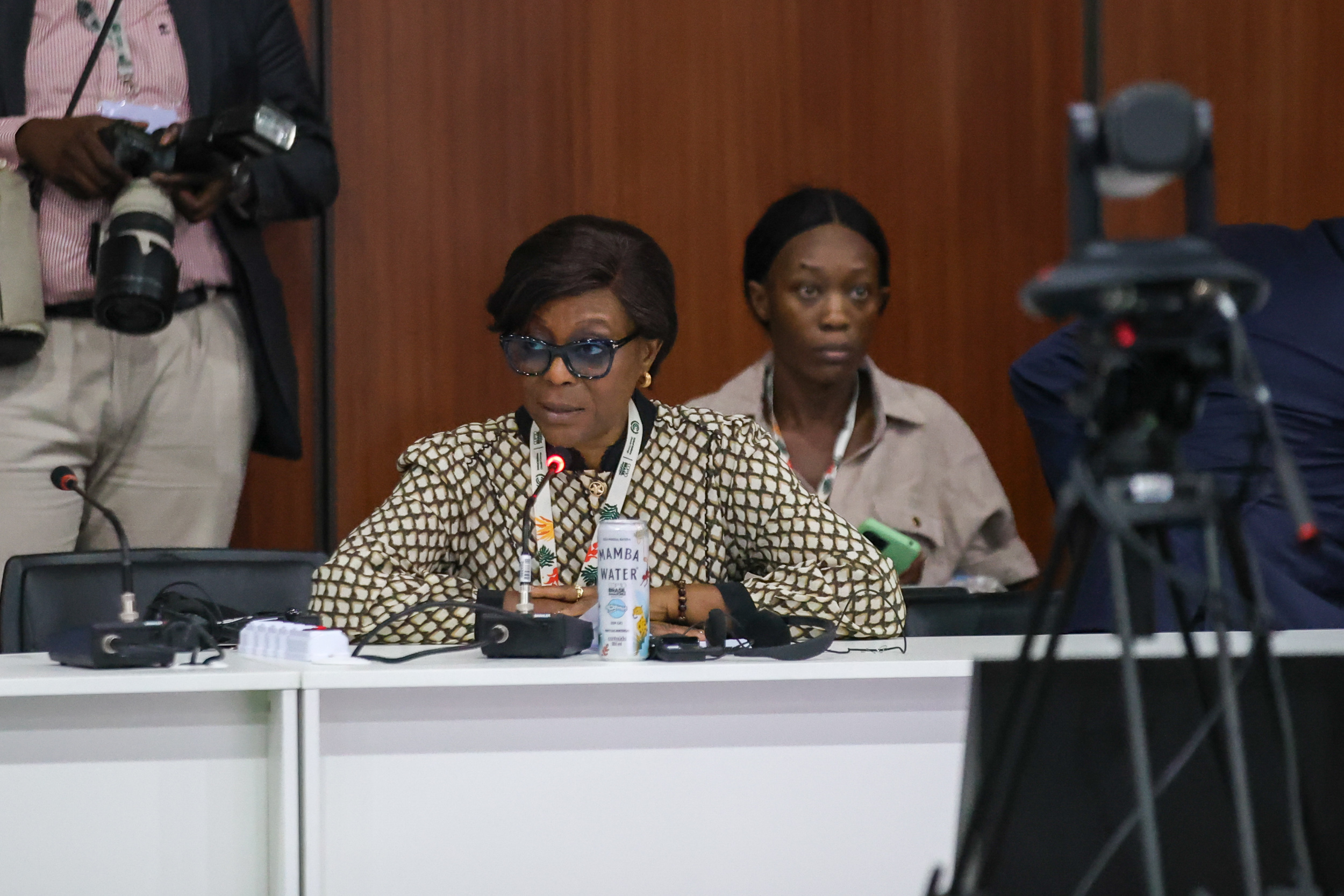
Arlette Soudan-Nonault, Minister of the Environment, Sustainable Development and the Congo Basin, Republic of the Congo
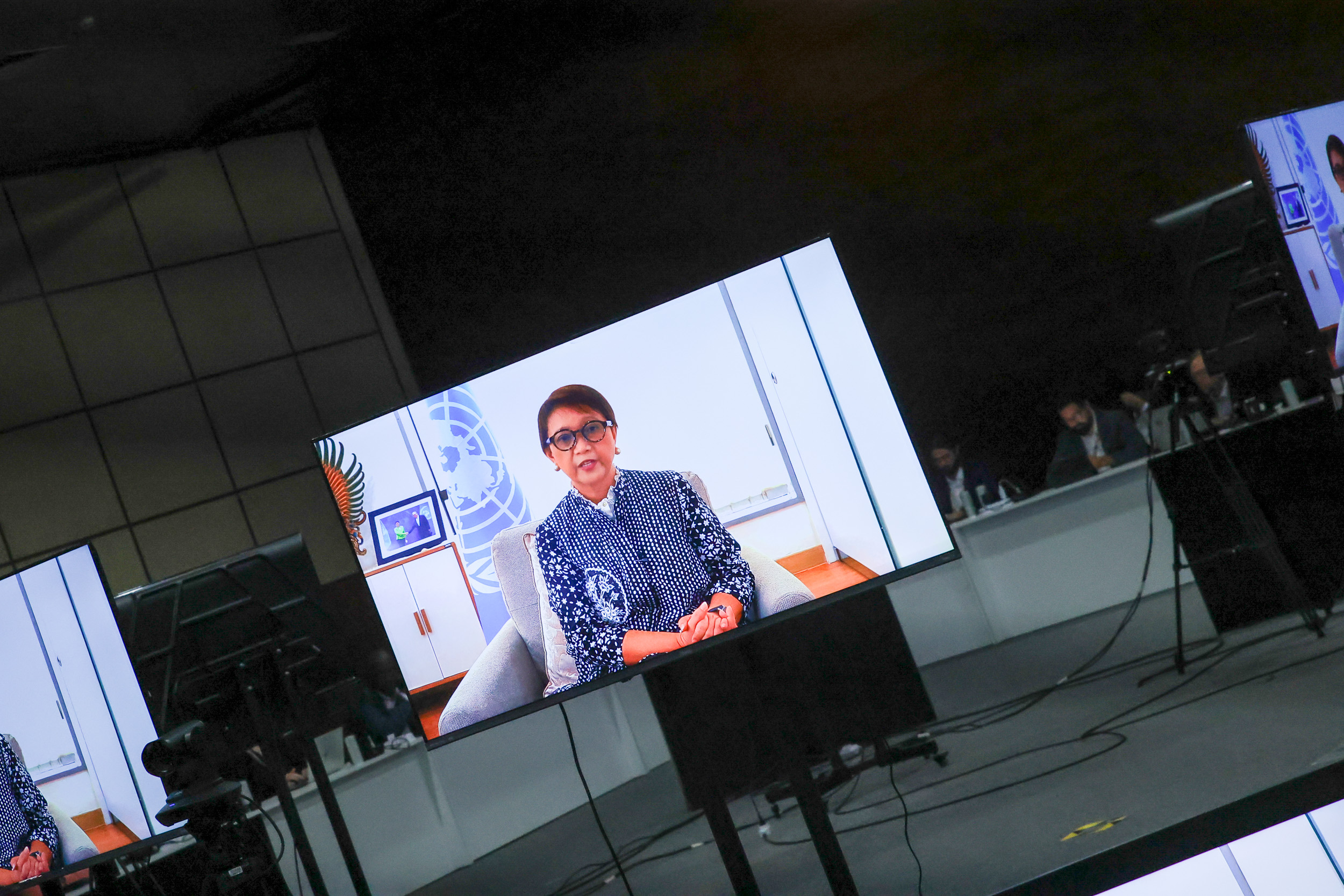
Retno Marsudi, UN Special Envoy on Water, addressed the event via a video message.
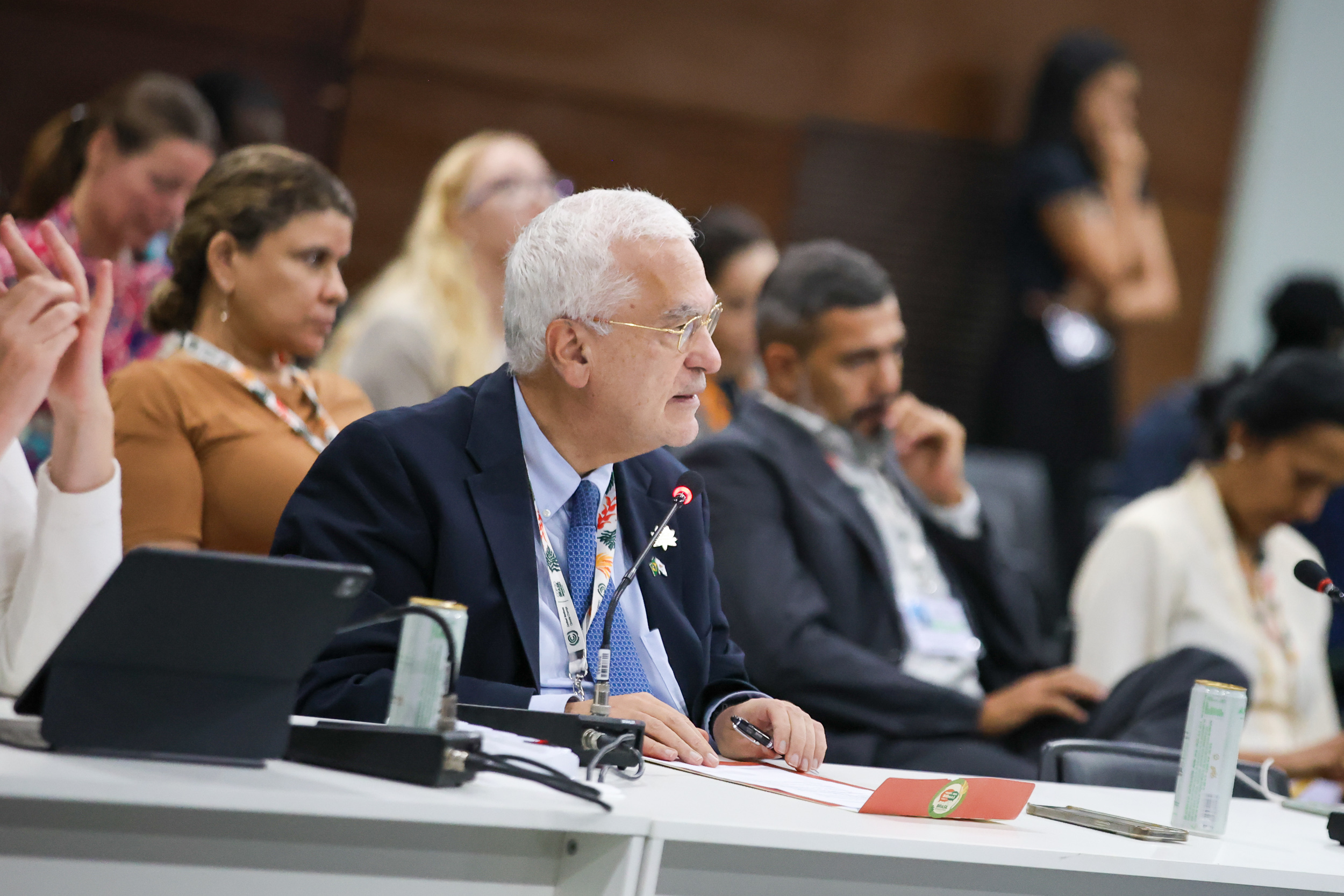
Vasilios Philippou, Ambassador of Cyprus in Brazil
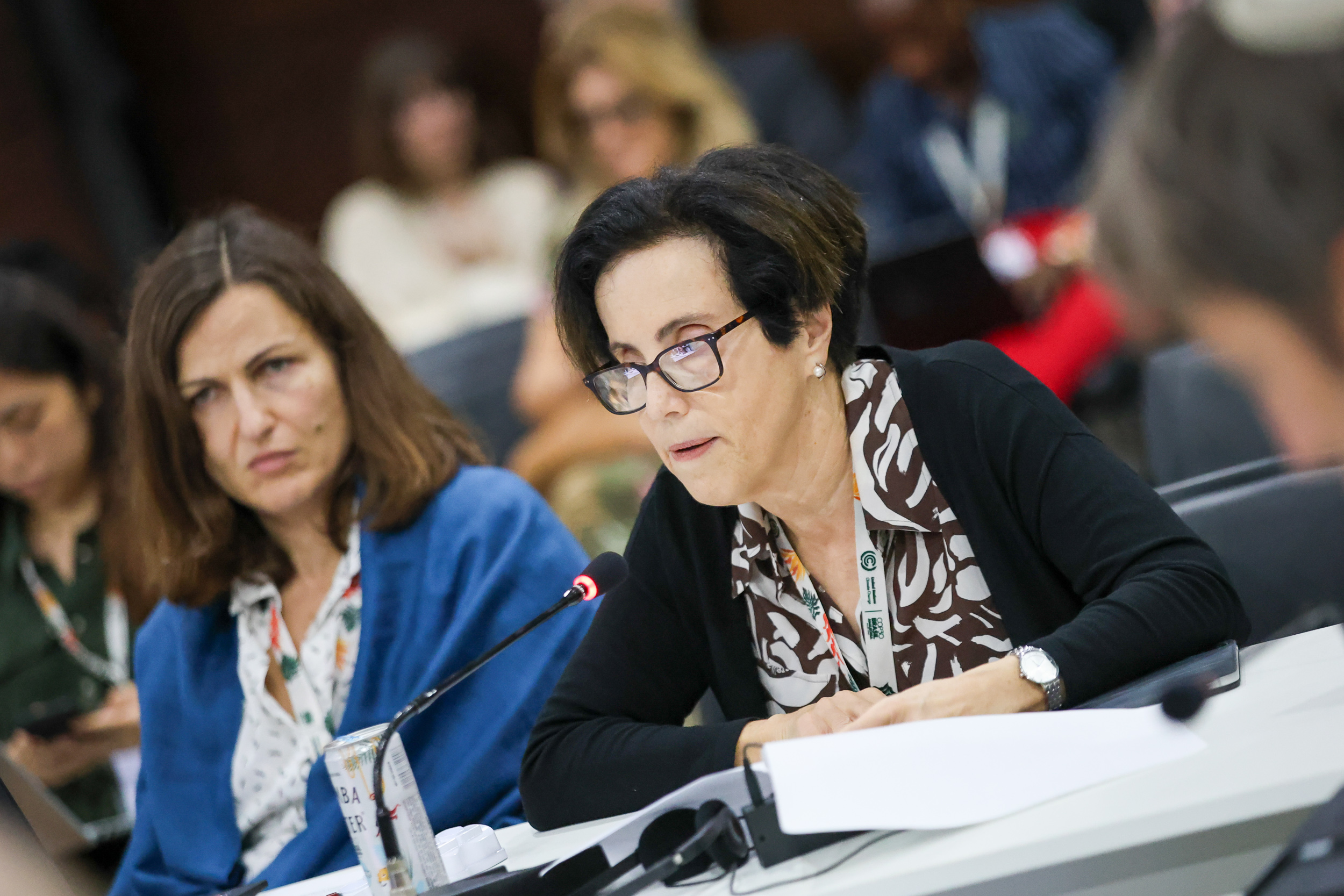
Diana Acconcia, DG Clima, European Commission
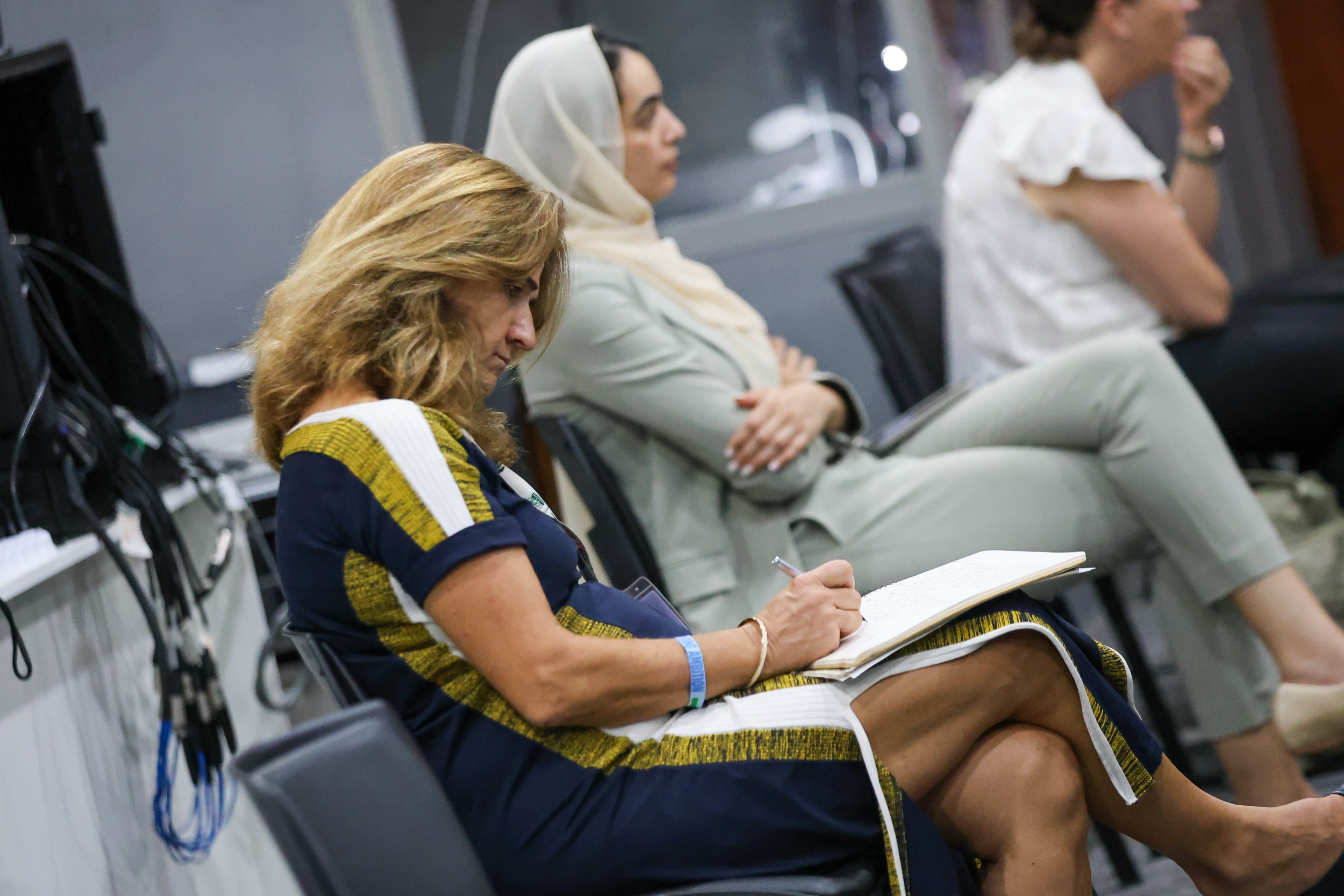
A participant takes notes.
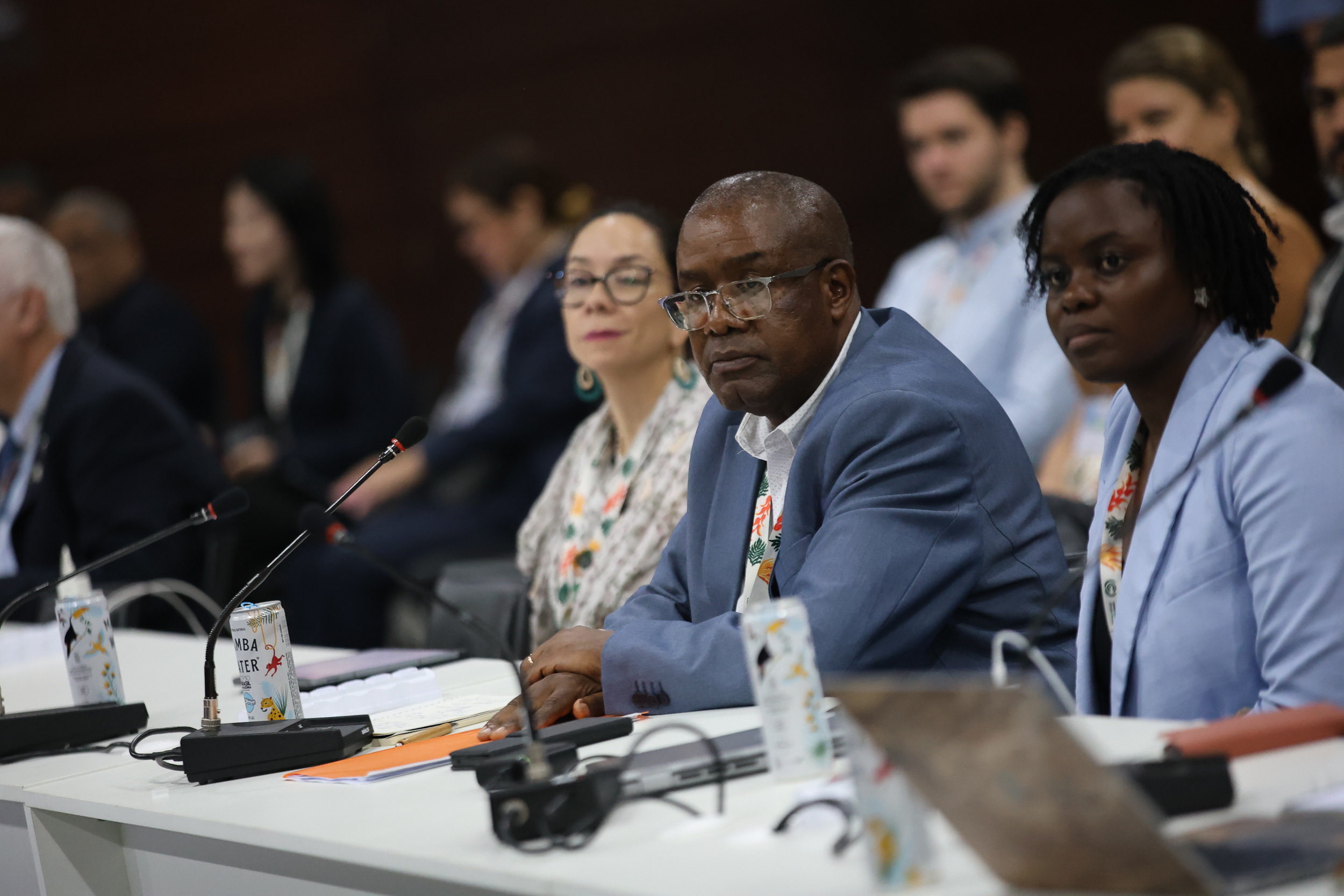
Callist Tindimugaya, Water Resources Commissioner, Ministry of Water and Environment, Uganda
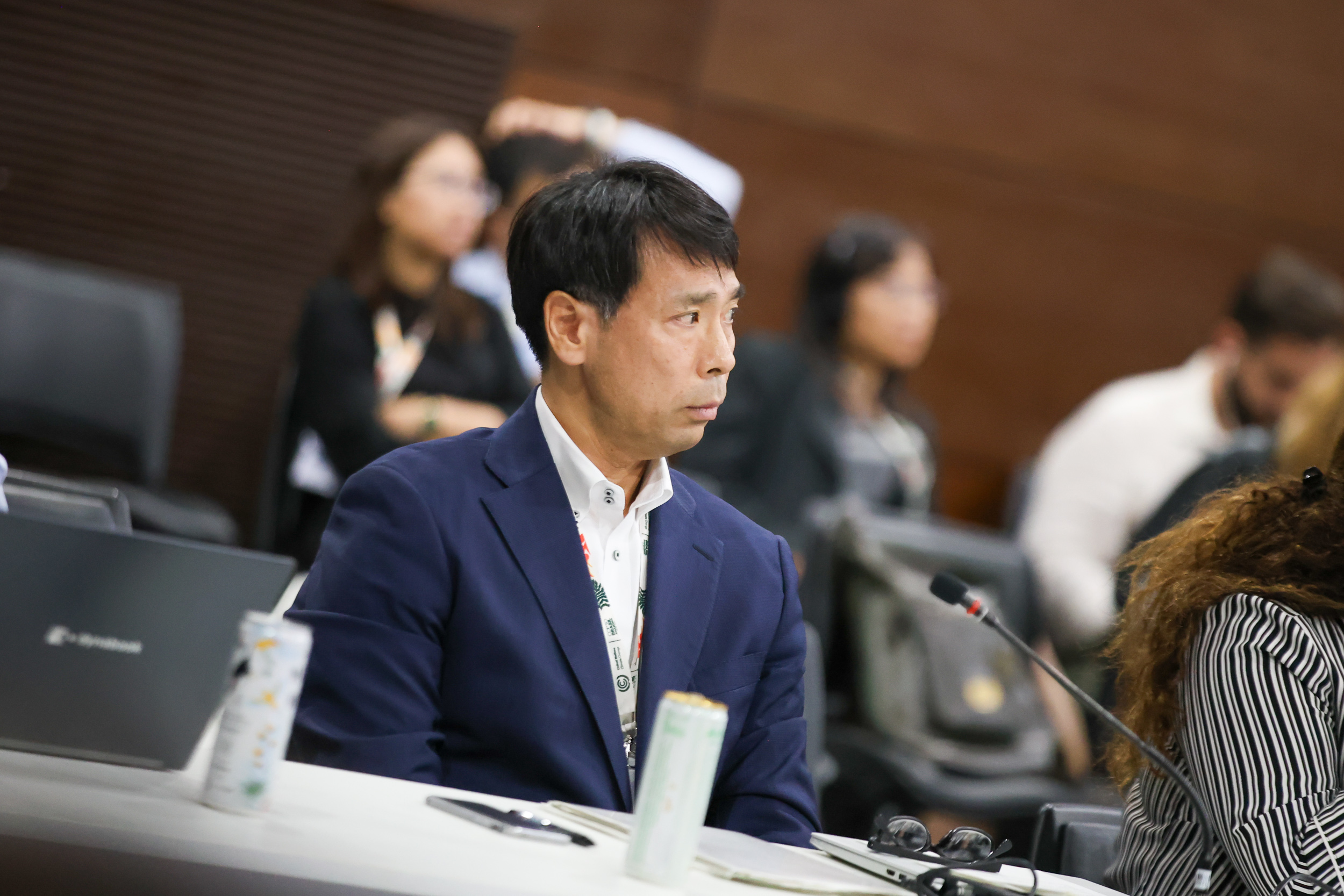
Takuro Kasao, Deputy Director General, Ministry of Land, Infrastructure, Transport and Tourism, Japan
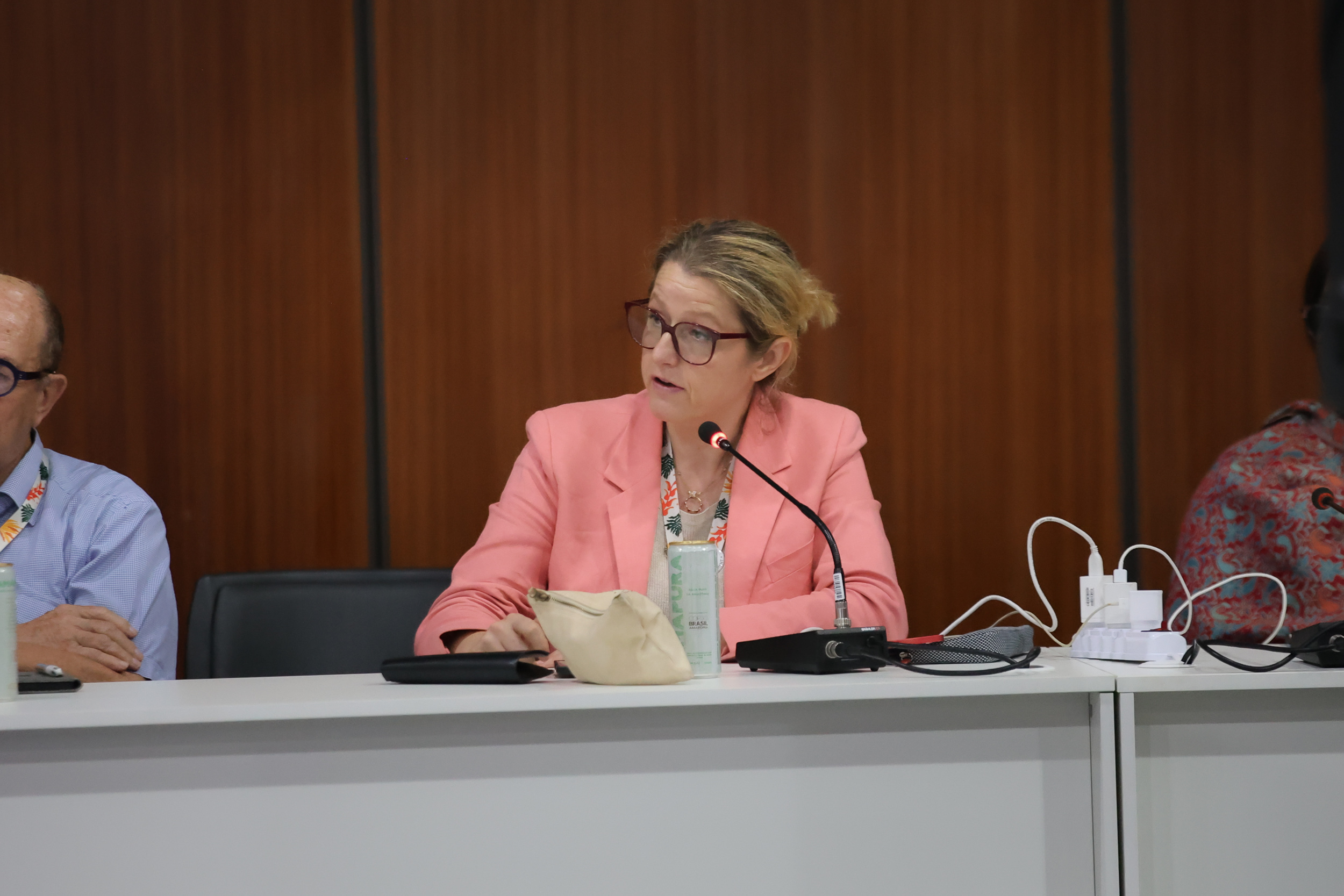
Barbara Pompili, Ambassador for the Environment, France
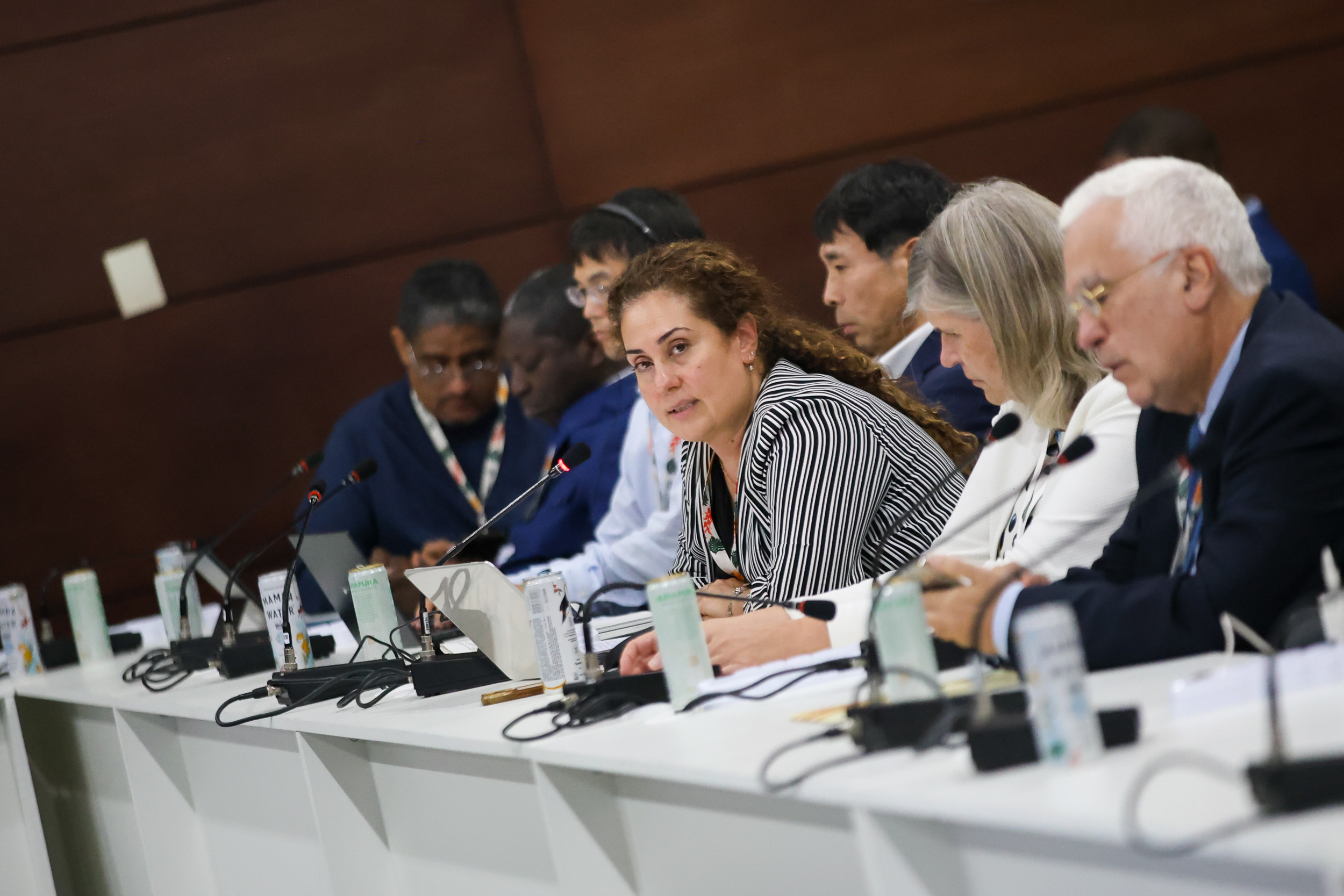
Ayşe Inanç, Ministry of Foreign Affairs, Türkiye
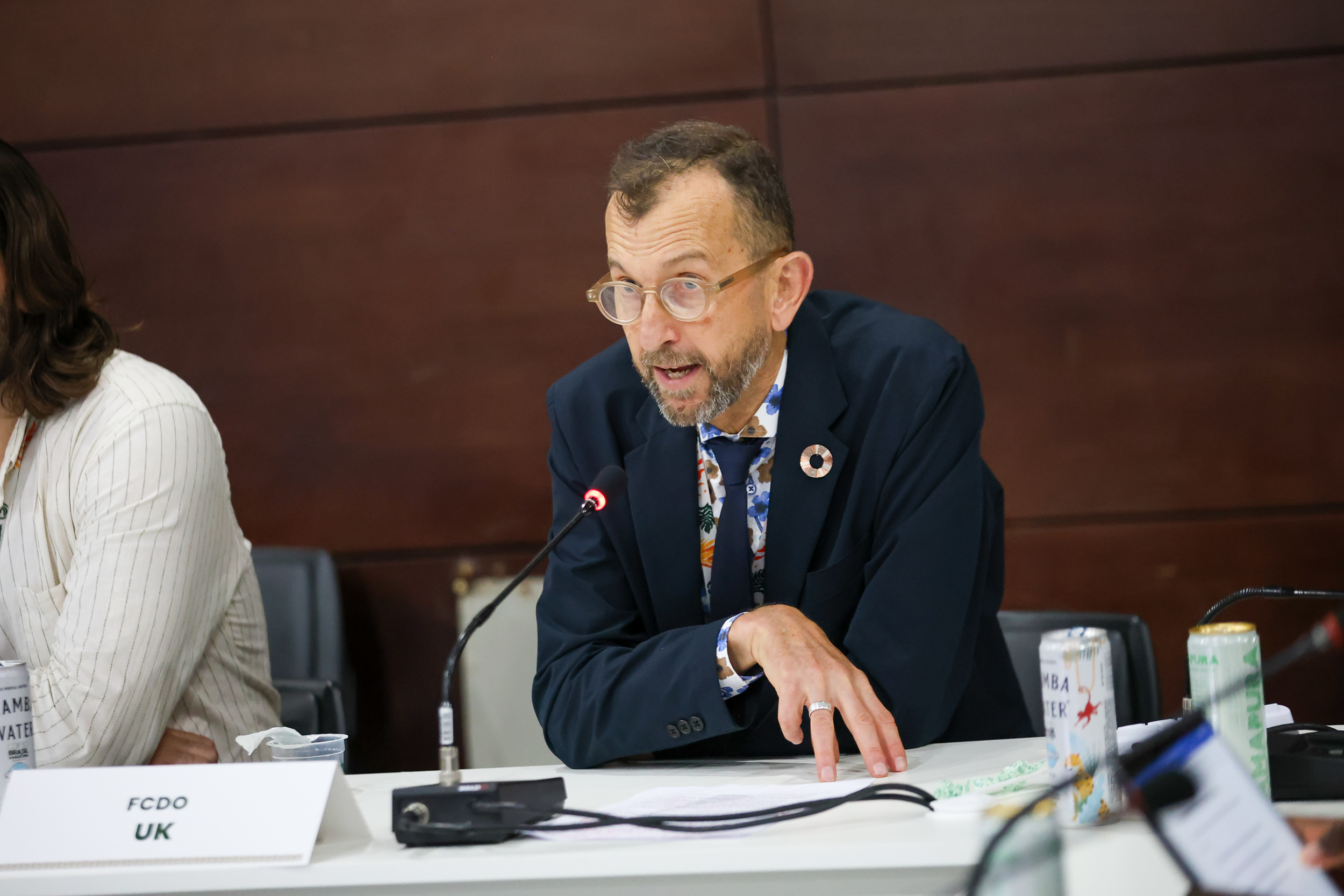
Jordan Champ, Senior Policy Advisor, Department for Environment, Food and Rural Affairs, United Kingdom
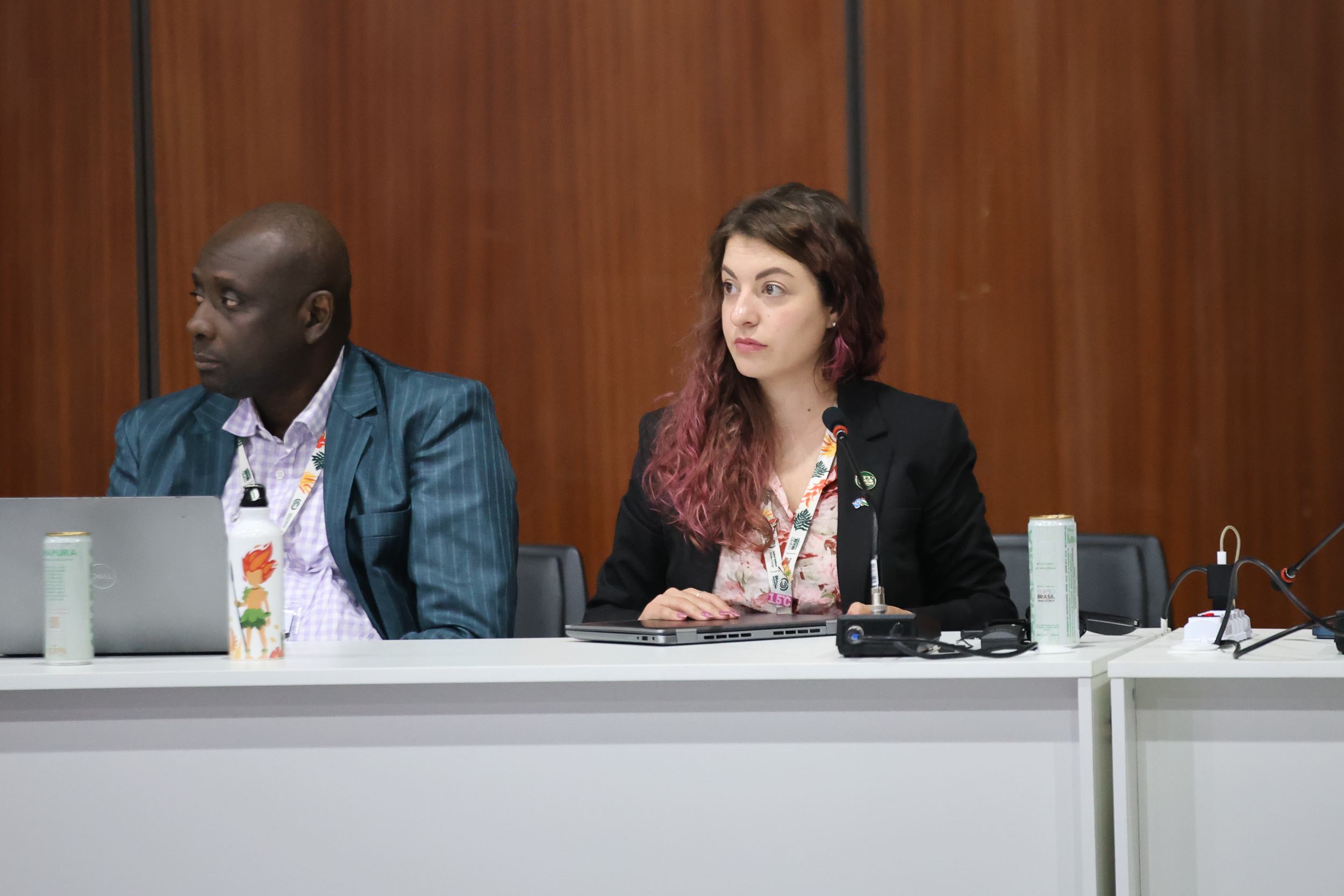
Veronika Bagi, Ministry of Energy, Hungary
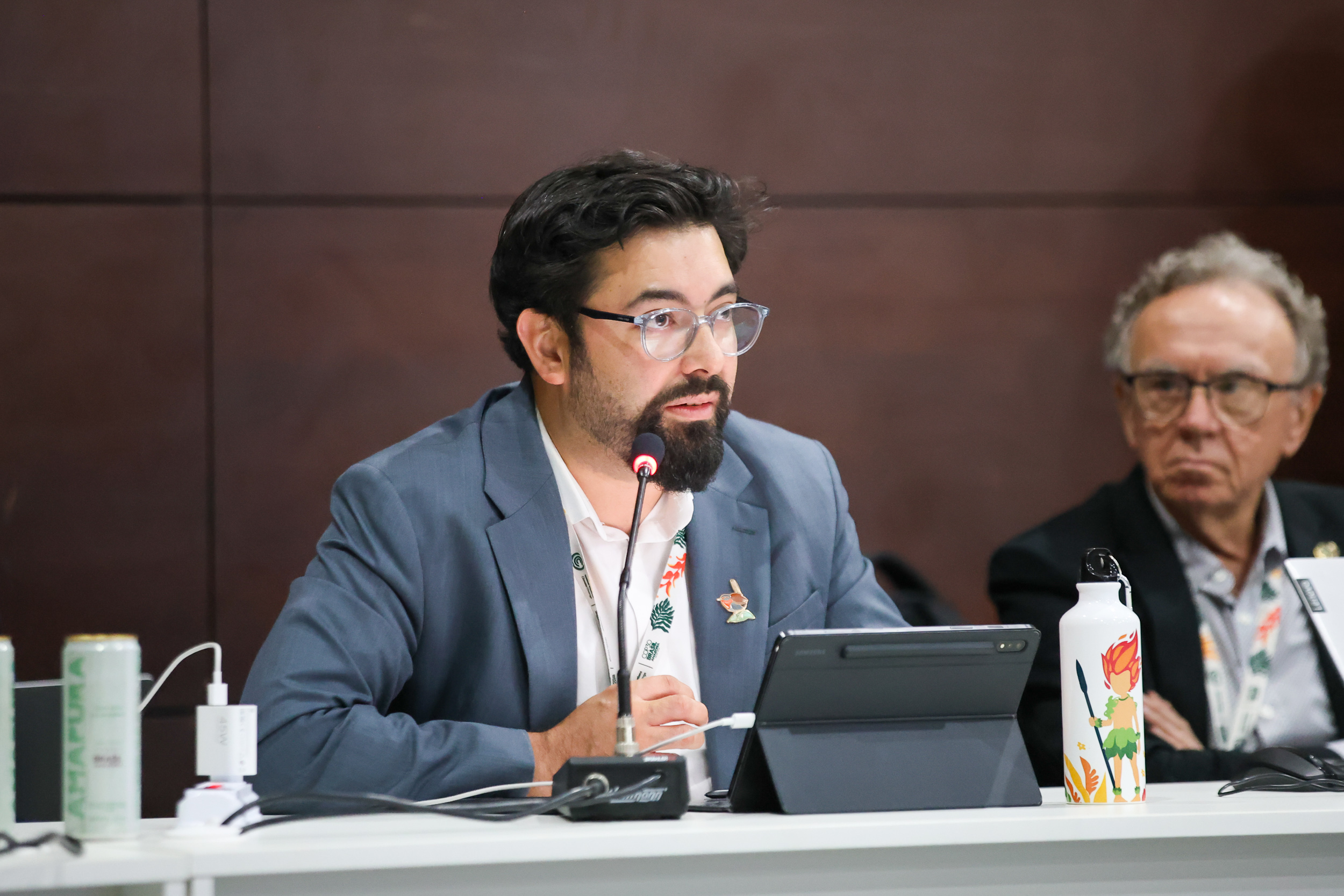
Maximiliano Proaño Ugalde, Deputy Secretary, Minister of Environment, Chile
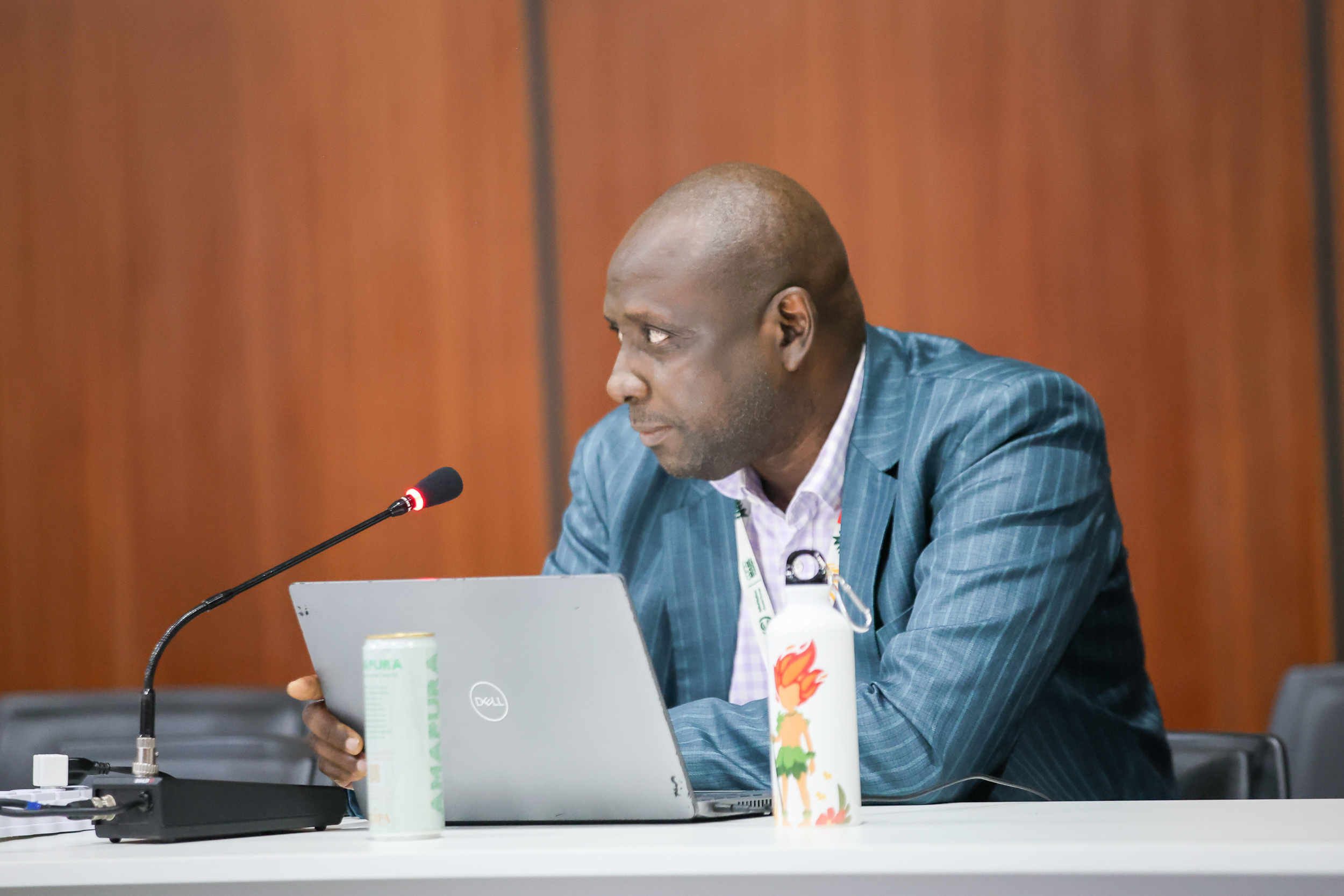
Malang Darboe, Deputy Permanent Secretary, Ministry of Fisheries and Water Resources, The Gambia
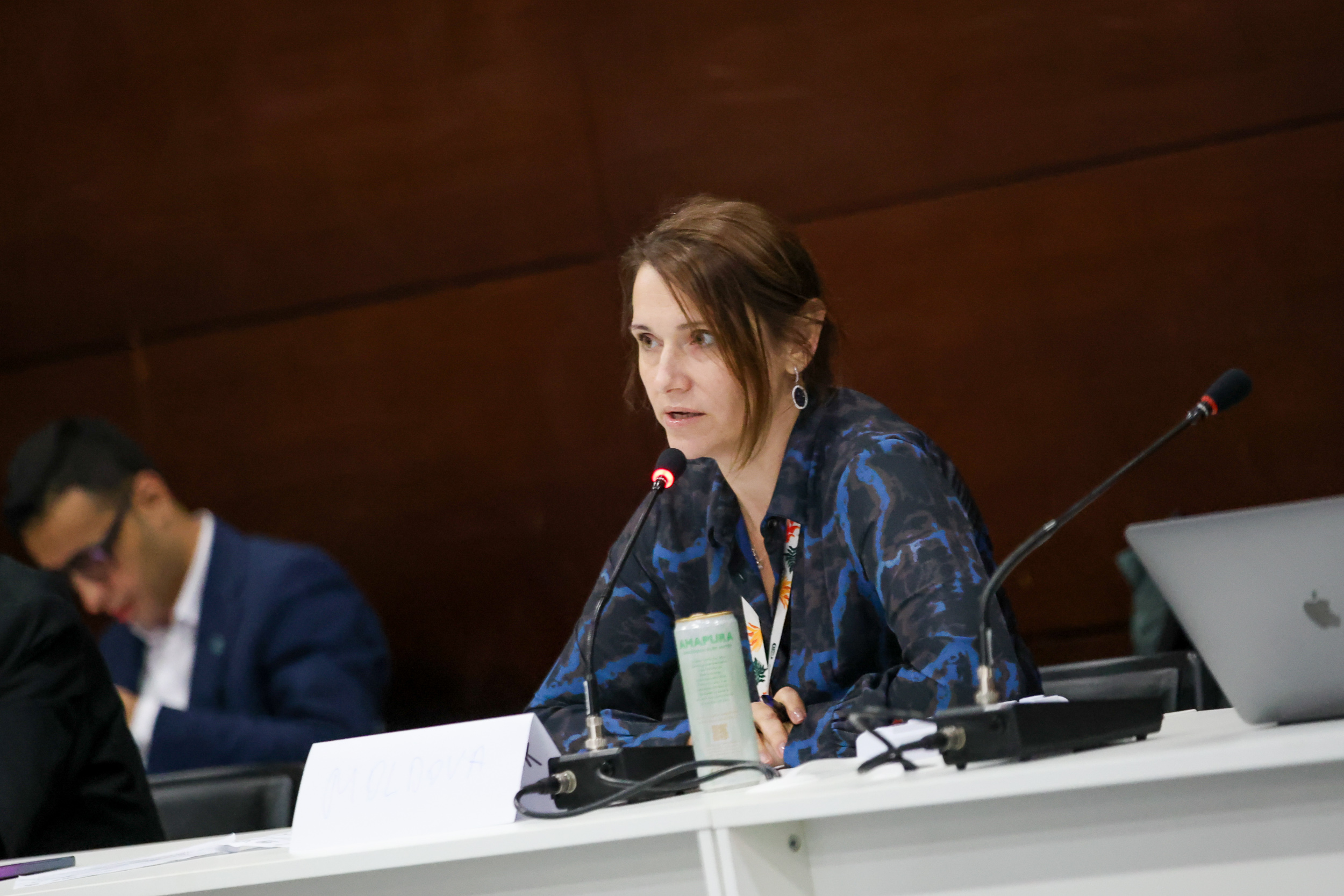
Aliona Cara-Rusnac, Secretary of State, Ministry of Environment, Moldova